

Saturday, September 26, 2026, 3:00 p.m.
Golden Bears Theater | Temecula Valley High School
Today's Program
Barbara Harbach (b. 1946)
American Solstice for Chamber Ensemble
Samuel Barber (1910 - 1981)
Adagio for Strings
arr. Jack Jarrett (1934 - 2020)
Five Appalachian Folk Songs
Dr. Katherine Polit, soprano
- Shenandoah
- Sourwood Mountain
- Black is the Color of My True Love's Hair
- He's Gone Away
- The Honest Miller
INTERMISSION
Aaron Copland (1900 - 1990), arr. Murray Sidlin (b. 1940)
Suite from The Tender Land
- Introduction
- Laurie’s Aria
- Love Duet
- Stomp Your Foot
- Daybreak Will Come
- Hire a Stranger
- Promise of Living

This concert is supported by a grant from the National Endowment for the Arts
About Our Artistic Director and Conductor
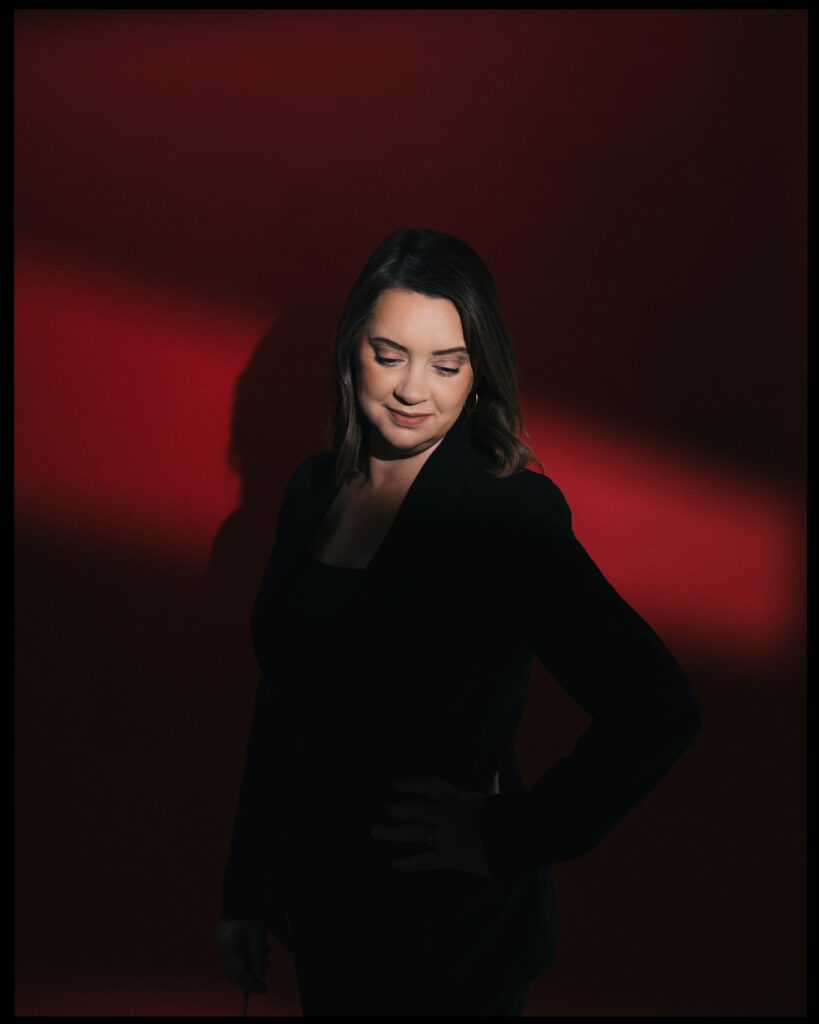
Dana Zimbric is marking her 16th season as Artistic Director and Conductor of the California Chamber Orchestra.
In addition to her work with us, she is Music Director of the Classics Philharmonic Orchestra, which performs educational programs for San Diego area students, and recently made her conducting debut with the San Diego Symphony.
Dana's past conducting experience includes positions with the San Diego Youth Symphony, Avante Chamber Orchestra, Orchestra Nova San Diego, and the University of Wisconsin Chamber and Symphony Orchestras.
An accomplished clarinetist, Dana holds a Bachelor of Music in Clarinet Performance and a Master of Music in Orchestral Conducting from the University of Wisconsin. She lives in San Diego with her husband and two young daughters.
About Our Soloists
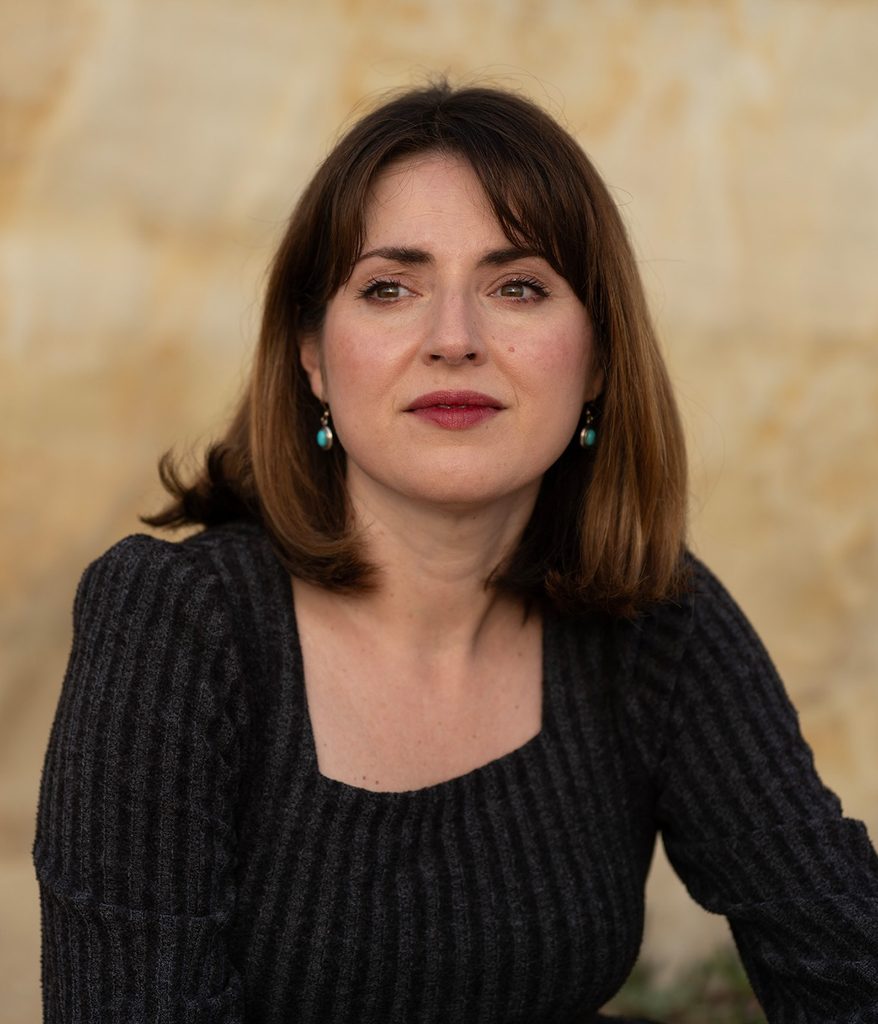
Hailed by Opera News as “vibrant,” soprano Katherine Polit is a passionate performer and educator. Embracing a broad range of styles, she is both an advocate for new music and an avid lover of the Great American Songbook. She relishes the opportunity to perform in Southern California alongside her role as a member of the voice faculty at San Diego State University.
Katherine completed her Doctor of Music in Vocal Literature and Performance at Indiana University, focusing on the pedagogical uses of Great American Songbook repertoire in the classical voice studio. She also holds a Master of Music in Opera Performance from the University of Texas at Austin and a Bachelor of Humanities and Arts from Carnegie Mellon University.
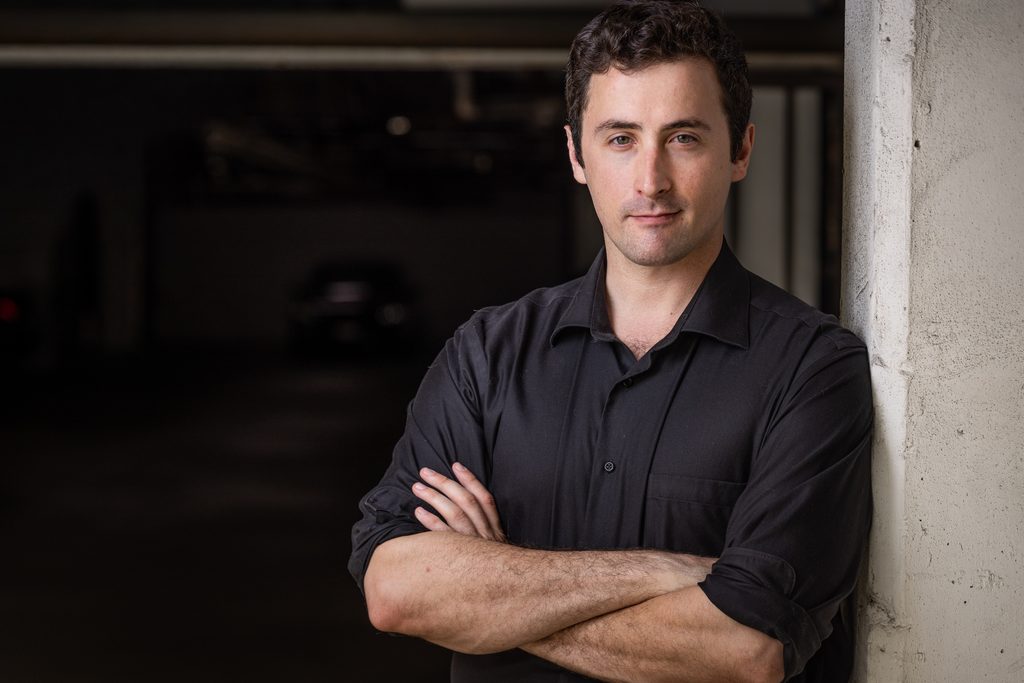
Originally from Long Island, New York, Cole Tornberg is an operatic tenor based in San Diego, California. He performs with the San Diego Opera Chorus, the San Diego Symphony Chorus, and other ensembles throughout Southern California. His operatic roles include Tamino in Mozart’s The Magic Flute and Rinuccio in Puccini’s Gianni Schicchi. This performance marks his debut as a soloist with the California Chamber Orchestra. Passionate about sharing the expressive power of classical music, he brings musical sensitivity, dedication, and a commitment to artistic excellence to every performance.
Members of the California Chamber Orchestra
Violin I
Zou Yu (Concertmaster)
Bram Goldstein
Jorge Soto
Violin II
Isaac Allen (Principal)
Ramon Negron
Viola
John Hayhurst (Principal)
Rebecca Matayoshi
Cello
Chia-Ling Chien (Principal)
Margaret Tait
Bass
PJ Cinque (Principal)
Flute
Pam Martchev (Principal)
Clarinet
Frank Renk (Principal)
Bassoon
Leyla Zamora (Principal)
Piano
Dana Burnett (Principal)
Harp
Elena Mashkovtseva (Principal)
Orchestra Personnel Manager and Music Librarian
Michael Molnau
California Chamber Orchestra musicians in this concert are members of The American Federation of Musicians, Local 325
Program Notes
Welcome to the second concert of the California Chamber Orchestra’s American Composers Project season, funded by the National Endowment for the Arts.
Today’s program, American Voices, features two outstanding vocalists, soprano Katherine Polit and tenor Cole Tornberg, and four musical works by 20th-century American composers.
First on the program is American Solstice by Dr. Barbara Harbach (b. 1946), Curators’ Distinguished Professor Emerita of Music at the University of Missouri-St. Louis. Dr. Harbach explains that American Solstice is based on an original fiddle tune that captures the independence of the American frontier spirit.
Samuel Barber (1910-1981) wrote his first piece of music at age seven and an opera at ten. He studied at the Curtis Institute of Music in Philadelphia and won the American Academy’s Prix de Rome. His honors include a Pulitzer Prize for the opera Vanessa and the commission to open the new Metropolitan Opera House with Antony and Cleopatra.
His masterpiece, Adagio for Strings (extracted from String Quartet, 1936), premiered in 1938 by the NBC Symphony Orchestra under conductor Arturo Toscanini. It has since appeared in many films and TV shows and at the funerals of Presidents Franklin D. Roosevelt and John F. Kennedy.
Jack Jarrett (1934-2020) was a composer, arranger, conductor, and teacher whose awards include a Fulbright Scholarship and the ASCAP Rudolf Nissim Prize. His music has been performed by more than fifty orchestras worldwide. Jarrett’s Five Appalachian Folksongs (1974) contain songs from the composer’s childhood in North Carolina. Written during a time that he was feeling homesick, Jarrett transcribed and arranged the folk tunes as he recalled them.
Aaron Copland (1900-1990) was one of the most influential American composers of the 20th century. As a spokesman for the advancement of indigenous American music, Copland incorporated jazz and folk music into his compositions.
Following the tepid reception of his only full-length opera, The Tender Land, Copland arranged an orchestral suite from the score, including the love duet, the lively square dance, and the stirring “The Promise of Living.” The suite earned the good reviews he had hoped the opera would inspire. In 1996, Murry Sidlin created a new suite for soprano, tenor, and chamber ensemble from his reduced orchestration of the opera.
— Dana Zimbric
Thank You to Our Sponsors
Society Sponsors
California Arts Council
Judy Call
National Endowment for the Arts
Prudhomme Associates, CPAs
Season Sponsors
Nicola Helm & Stephen Ryder
Mark Margolin
Concert Sponsors
Judy C. Leonard
Kathryn McCarty in memory of Richard A. Barr